
Table of contents
What Makes Okoume Plywood Panels Unique?
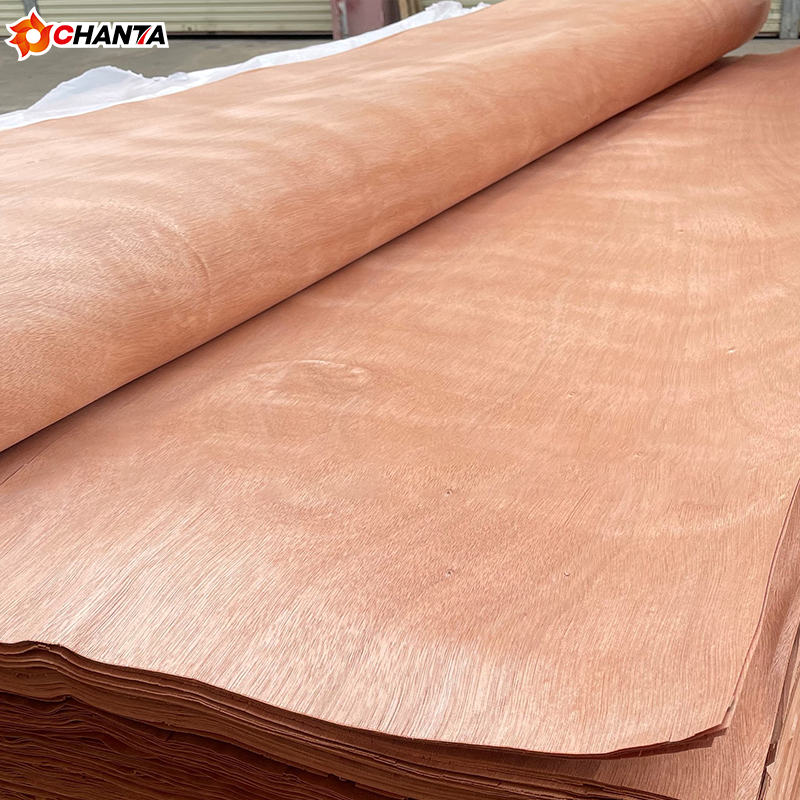
Okoume plywood panels stand out for their excellent balance of strength, lightness, and smooth surface. Manufacturers source Okoume wood from West Africa, especially Gabon, where the tree grows rapidly and provides consistent veneer quality. When bonded with waterproof glue, these panels serve both indoor and outdoor purposes effectively.
Benefits of Choosing Okoume Plywood Panels
One major benefit of Okoume plywood panels lies in their low weight. Unlike hardwood plywoods, Okoume cuts down on transportation and handling costs, especially for boat building, caravan interiors, or any project requiring mobility. In addition, the wood takes paint and laminates very well, allowing a clean, professional finish without heavy sanding.
Okoume also offers impressive flexibility without breaking. Carpenters and manufacturers often choose this panel for curved or bent surfaces. It resists splitting during installation and holds screws tightly, ensuring long-term durability.
Common Applications for Okoume Plywood Panels
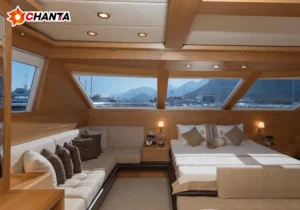
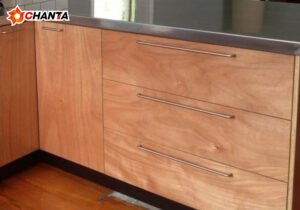
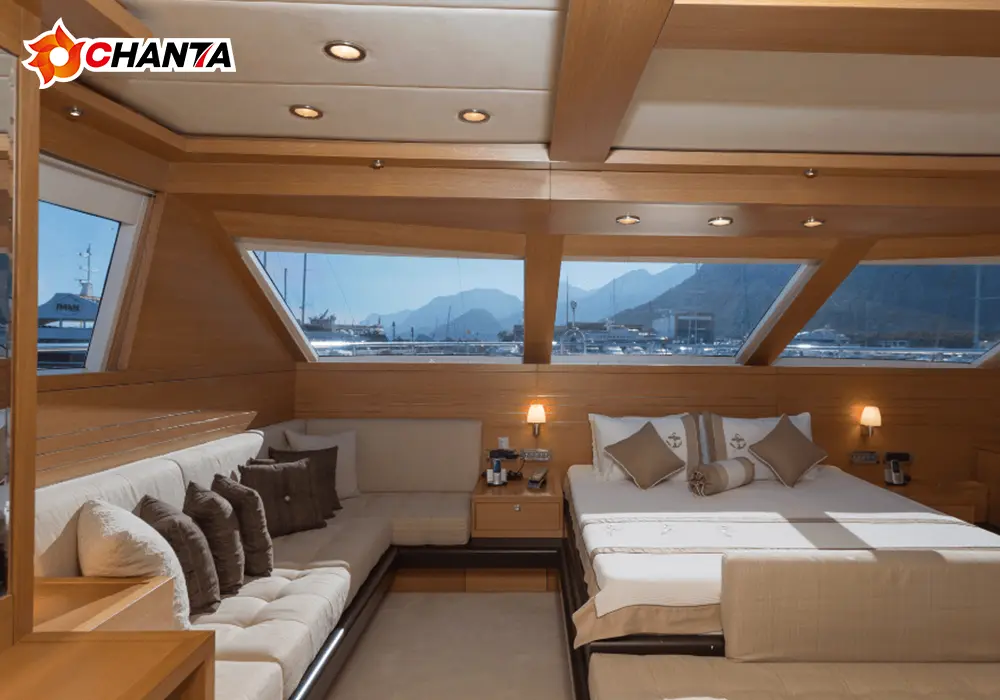
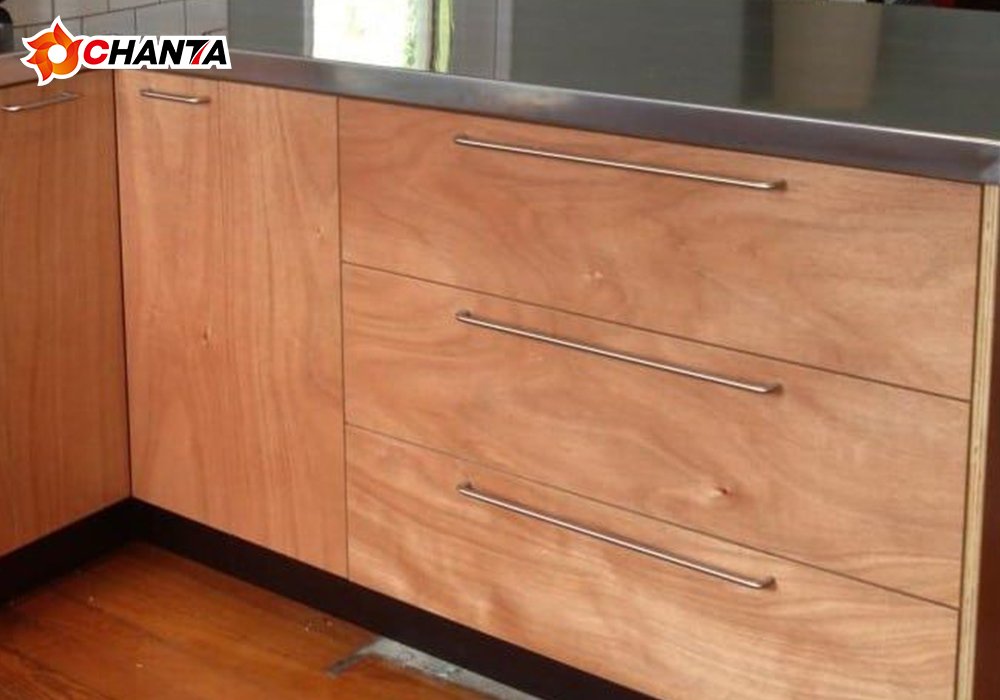
Builders use Okoume plywood panels in a wide range of industries. Marine plywood versions meet BS1088 standards and serve as a reliable base for boat decks and cabinetry. Furniture makers also appreciate Okoume for drawer boxes, cabinets, wardrobes, and table tops. Its lightweight properties make it perfect for modular furniture and foldable systems.
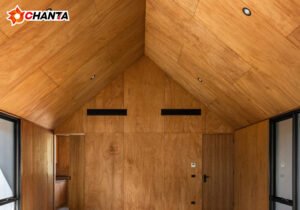
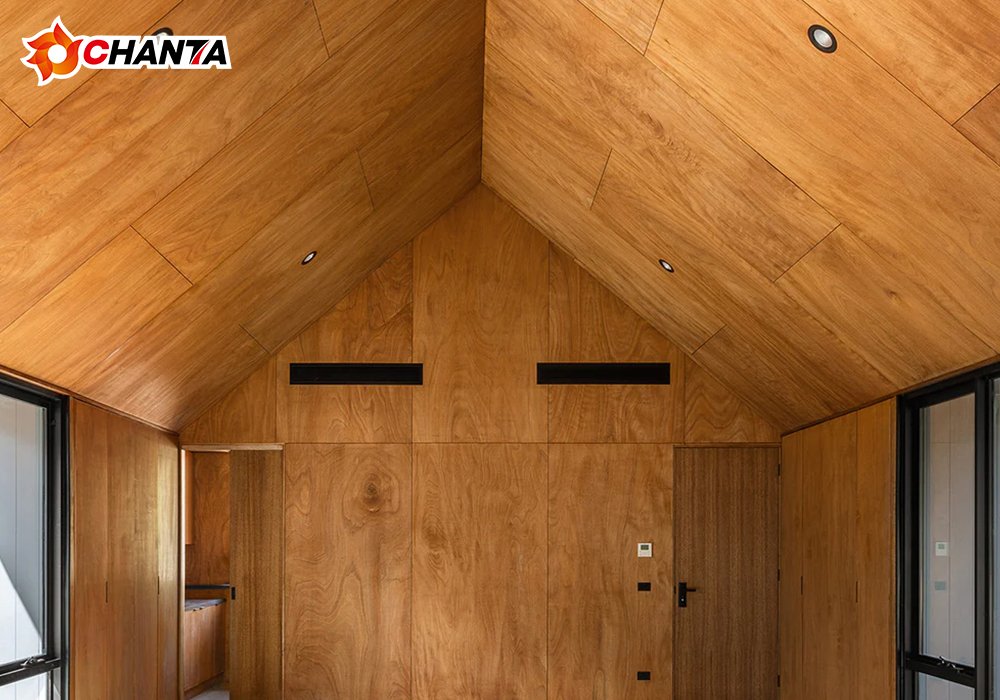
Beyond the marine and furniture industries, Okoume panels also appear in speaker boxes, exhibition booths, and interior wall paneling. Their clean, pinkish hue adds warmth to modern designs.
Available Sizes and Thickness Options
Okoume plywood panels typically come in standard sizes such as 1220×2440 mm (4×8 feet). The most common thicknesses include 4mm, 6mm, 9mm, 12mm, 15mm, and 18mm. Thicker options provide higher load-bearing capacity, making them suitable for structural use or flooring support.
Manufacturers can also customize thickness or core materials depending on the project. You may request Okoume-faced panels with hardwood, poplar, or combi cores for different strength-to-weight ratios.
How to Choose the Right Okoume Plywood Panel
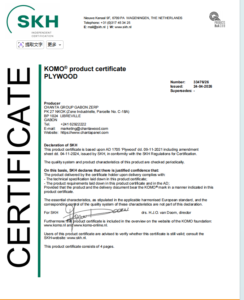
When choosing Okoume plywood panels, consider the grade and bonding type. For exterior use or marine environments, look for WBP glue or phenolic bonded panels that can resist moisture over time. If you only plan indoor furniture work, MR (moisture-resistant) bonded panels will suffice.
Also pay attention to the number of plies and core uniformity. A higher number of veneer layers increases strength and stability. Uniform core veneers prevent warping and ensure a smooth surface for finishing.
Why Buyers Prefer Okoume Panels Over Alternatives
Compared to birch or maple plywood, Okoume offers a superior weight-to-performance ratio. While it may not match hardwoods in density, it excels in ease of machining and environmental friendliness. Many manufacturers choose Okoume plywood panels to reduce emissions and promote sustainable sourcing.
Its lower price point and renewable sourcing also make it a cost-effective and ethical option for both large-scale production and custom builds.
Conclusion
Okoume plywood panels provide an ideal solution for projects that require strength, lightness, and aesthetic appeal. Whether you’re building boats, crafting high-end furniture, or designing mobile structures, these panels deliver top-level performance and finish. Choose the right panel grade and thickness, and you’ll benefit from long-lasting results and reliable quality.