
Table of contents
- Understanding the Basics
- Key Differences Between Marine and Commercial Plywood
- So, Which One Is Stronger?
- When to Use Commercial Plywood Instead
- Why CHANTA Marine Plywood Stands Out
- Expert Tip: Choosing the Right Plywood for Your Project
- Conclusion: Marine Plywood Is Stronger — Choose CHANTA for Quality You Can Trust
Plywood is one of the most widely used engineered wood products in construction, furniture, and marine industries. However, not all plywood is created equal. Two of the most popular types — marine plywood and commercial plywood — are often compared for their strength, durability, and performance. So, which one is stronger? Let’s break down the key differences to help you make the right choice for your project.
Understanding the Basics
What Is Marine Plywood?
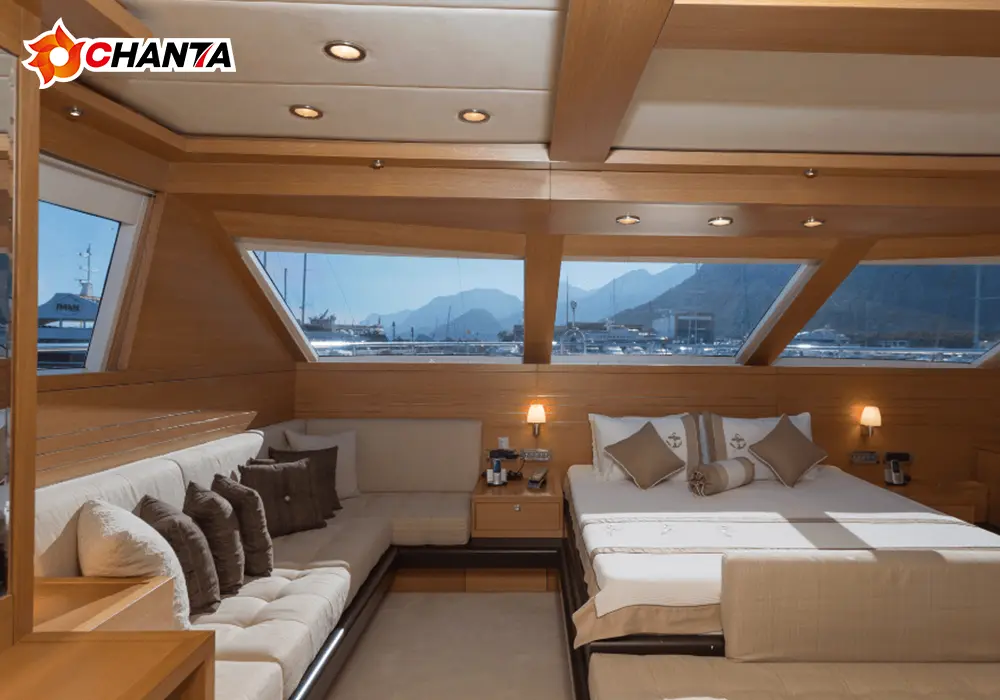
Marine plywood is a premium-grade plywood designed for environments where moisture resistance and long-term strength are critical. It is manufactured using high-quality hardwood veneers bonded with WBP (Weather and Boil Proof) glue or phenolic resin. This type of adhesive ensures that the plywood remains intact even after prolonged exposure to water or humidity. Because of its durability, marine plywood is commonly used in shipbuilding, bathrooms, kitchens, and outdoor furniture.
What Is Commercial Plywood?
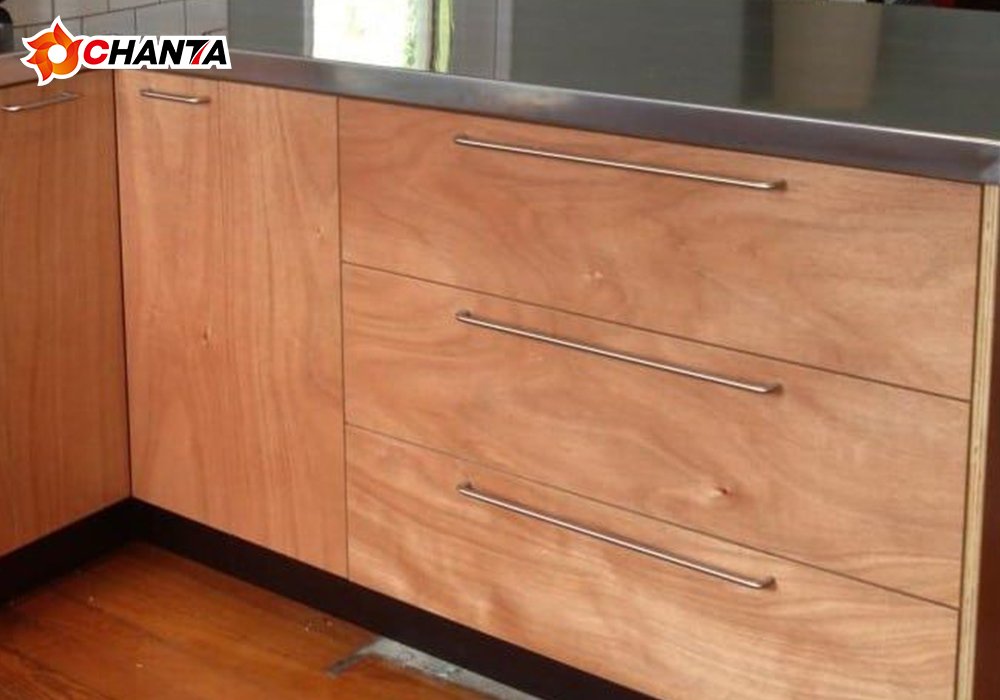
Commercial plywood, also known as MR (Moisture Resistant) plywood, is designed primarily for interior applications. It’s made from mixed hardwood veneers bonded with urea-formaldehyde glue, which provides basic moisture resistance but not waterproofing. It’s a cost-effective choice for indoor furniture, cabinets, partitions, and wall panels.
Key Differences Between Marine and Commercial Plywood
| Property | Marine Plywood | Commercial Plywood |
|---|---|---|
| Glue Type | WBP / Phenolic (Waterproof) | Urea-Formaldehyde (Moisture Resistant) |
| Core Quality | Uniform hardwood veneers, no voids | Mixed hardwood core, may have small gaps |
| Water Resistance | High – suitable for wet environments | Moderate – suitable for dry interiors only |
| Strength & Durability | Excellent – structural and long-lasting | Good – for light to moderate use |
| Cost | Higher (premium-grade) | More affordable |
| Applications | Boats, bathrooms, kitchens, outdoor furniture | Cabinets, wardrobes, interior paneling |
So, Which One Is Stronger?
In terms of structural strength and durability, marine plywood is clearly stronger than commercial plywood. The reason lies in both the manufacturing process and material selection:
- Better Glue Bonding: The waterproof phenolic resin used in marine plywood creates stronger bonds between veneer layers, preventing delamination even under extreme moisture or temperature conditions.
- High-Density Veneers: Marine-grade plywood uses carefully selected hardwood veneers with no voids or knots, which ensures even load distribution and superior tensile strength.
- Stringent Quality Standards: Marine plywood must meet international certifications such as BS1088, which require rigorous testing for strength and water resistance. Commercial plywood does not follow such strict requirements.
In short, if your project involves exposure to moisture, heavy load, or long-term structural integrity, marine plywood is the stronger and more durable choice.
When to Use Commercial Plywood Instead
Although marine plywood outperforms commercial plywood in strength, it’s not always necessary for every project. For indoor furniture and decorative applications that won’t face moisture or water contact, commercial plywood is a practical and cost-effective option. It’s lightweight, easier to handle, and available in multiple finishes and grades for different aesthetic requirements.
- Use commercial plywood for wardrobes, office furniture, or partitions.
- Use marine plywood for bathrooms, kitchens, exteriors, or boats.
Why CHANTA Marine Plywood Stands Out
Among many suppliers, CHANTA has established itself as a leading marine plywood manufacturer with a commitment to quality, sustainability, and global service. Our marine plywood products are designed to meet the highest performance standards for both strength and water resistance.
1. Certified Strength and Quality
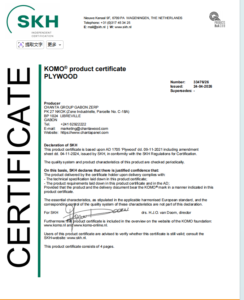
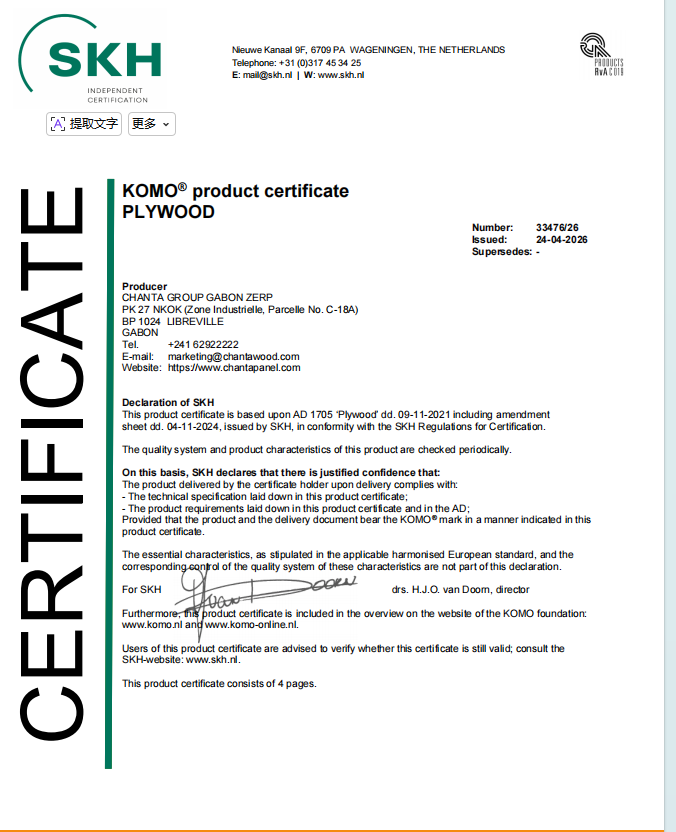
All CHANTA marine plywood sheets are BS1088 certified and made from 100% high-grade hardwood veneers. The glue line is bonded using phenolic WBP resin, guaranteeing long-lasting performance even under harsh environmental conditions.
2. Wide Product Range
We produce marine plywood in various thicknesses — from 6mm to 25mm — and sizes including 4×8 feet (1220x2440mm). Custom thickness, surface finish, and core materials are available to match your specific project requirements.
3. Eco-Friendly Manufacturing
CHANTA prioritizes sustainable sourcing and low-emission production. Our products meet E0 and CARB Phase 2 formaldehyde standards, ensuring cleaner indoor air quality and compliance with global environmental regulations.
4. Competitive Factory Pricing
As a direct manufacturer based in Vietnam, CHANTA offers factory-direct marine plywood at competitive prices. Bulk buyers benefit from stable supply, transparent quotations, and fast delivery to over 40 countries worldwide.
Expert Tip: Choosing the Right Plywood for Your Project
When deciding between marine plywood and commercial plywood, focus on the environment and performance requirements of your application. Ask yourself:
- Will the plywood be exposed to moisture or humidity?
- Does the project demand structural strength or load-bearing capacity?
- Is the installation indoors or outdoors?
If your answer includes “yes” to moisture or durability concerns, marine plywood is the clear winner. However, for decorative or light interior applications, commercial plywood remains a cost-effective choice.
Conclusion: Marine Plywood Is Stronger — Choose CHANTA for Quality You Can Trust
When comparing marine plywood vs commercial plywood, marine plywood wins in terms of strength, bonding quality, and durability. It’s built to handle extreme conditions and last for decades when properly installed and maintained. For buyers seeking reliable, certified, and competitively priced marine plywood, CHANTA is your trusted partner.