
Table of contents
When you are sourcing plywood for high-moisture applications, you may hear both terms: marine plywood and waterproof plywood. They often appear interchangeable, but they are not the same. Understanding their differences helps you choose the right material for durability, cost-effectiveness and performance. In this article we’ll break down what sets them apart — and why for serious applications like boats, wet interiors or demanding exterior usage you should consider premium options like CHANTA’s Okoume marine plywood.
What is Waterproof Plywood?
“Waterproof plywood” generally refers to plywood that has been treated or bonded to resist moisture. However, this term is broad and can include panels that are water-resistant but not designed for constant immersion or harsh conditions. For example, waterproof plywood may use good adhesives and decent core quality, but might allow small voids or use lower grade veneers.
Key features of waterproof plywood:
- Uses moisture-resistant or water-resistant adhesives (not always full Weather & Boil Proof).
- May include mix of hardwood & softwood veneers, may have minor core voids.
- Suitable for outdoor furniture, cabinet bases in humid rooms, but not for full submersion or extreme marine environments.
What is Marine Plywood?
Marine plywood is designed for the most demanding moisture conditions — including boat hulls, decks, docks, and wet interiors. It is made of high-grade hardwood veneers, bonded with true waterproof glue (like phenolic or WBP), and built with minimal to zero core voids.
Typical attributes of marine plywood:
- High-quality hardwood veneers (often species such as Okoume) with no core gaps.
- Waterproof glue that has passed boil tests and resisting delamination.
- Built for environments with continuous exposure to water, wet humidity, or salt air.
Side-by-Side Comparison
| Aspect | Waterproof Plywood | Marine Plywood |
|---|---|---|
| Intended Use | Situations with some moisture or humidity | Constant water exposure, marine conditions |
| Adhesive Quality | Water-resistant glue, some risk under high load | WBP/phenolic glue, tested for boil & moisture resistance |
| Core Voids & Veneer Quality | May have small voids, mixed veneers | Minimal voids, high-grade hardwood veneers |
| Cost | Lower cost, moderate performance | Higher cost, premium performance |
| Typical Applications | Kitchens, bathrooms, light outdoor furniture | Boat hulls, docks, exterior structural panels |
Why It Matters for Your Project
If you choose waterproof plywood thinking it will behave like marine plywood in harsh conditions, you may face delamination, warping, or failure when the project is exposed to high humidity, salt water, or long-term moisture. On the other hand, if you invest in marine plywood when the conditions are moderate, you may pay more than necessary. Matching material to environment is key.
Why CHANTA’s Okoume Marine Plywood Sets a Higher Standard
As a leading manufacturer with sourcing in Gabon (Okoume) and production in Vietnam, CHANTA offers true marine-grade plywood. Our panels meet strict standards, are built with premium hardwood veneers and waterproof adhesives, and deliver performance where it really counts. When you need plywood that outlasts and outperforms — go marine, not just “waterproof”.
How to Choose Between Them
- Check how often the panel will be exposed to water or humidity.
- Ask about adhesive type: Is it WBP/phenolic or just “water-resistant”?
- Inspect veneer quality and core voids (marine plywood should have minimal).
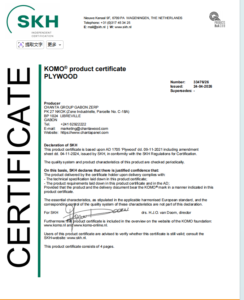
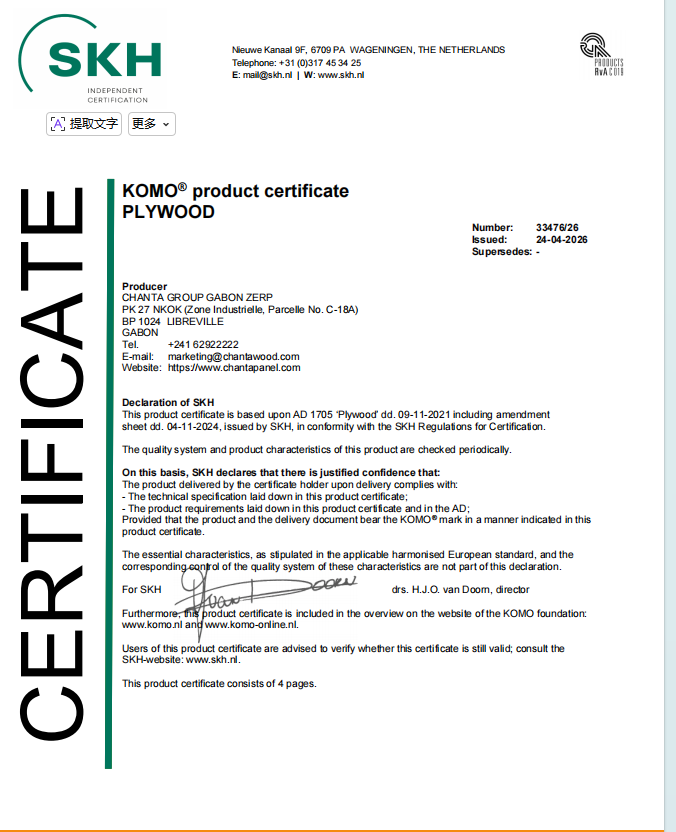
- Request certifications if you require marine grade (e.g., BS 1088).
- Balance cost vs performance — only choose marine when the environment demands it.
Conclusion
In summary, while both marine plywood and waterproof plywood offer moisture resistance, the difference lies in how far they are built to perform. For high-moisture, structural, or marine applications, true marine plywood is the correct choice. For lighter humidity or occasional moisture exposure, waterproof plywood may suffice. When you need reliable performance, consider premium marine plywood like CHANTA’s Okoume marine plywood. It may cost more upfront, but it offers long-term durability and peace of mind.
Contact CHANTA for Premium Marine Plywood
If you’re sourcing for a project that demands top quality and lasting performance, CHANTA is ready to support. Visit our product page: Okoume-Plywood to review specifications, download data sheets, and request a quotation.