
Table of contents
- Understanding the Basic Material Differences
- Strength and Structural Behavior
- Performance in Marine and Outdoor Environments
- Installation, Modification, and Repair
- Cost Comparison
- Environmental and Sustainability Considerations
- When Marine Plywood Clearly Performs Better
- Why More Buyers Choose Chanta Marine Plywood
- Ready to Choose the Right Material for Your Project?
Manufacturers, builders, and boat designers often compare marine plywood with aluminum honeycomb panels when they look for a lightweight and durable solution. Both materials show strong performance in demanding environments, but their strengths differ in real-world applications. Many buyers assume aluminum honeycomb panels always outperform plywood, yet the practical data and project results often prove otherwise. This article explains the differences clearly and shows why marine plywood still delivers more advantages in most structural, outdoor, and marine environments.
Understanding the Basic Material Differences
Marine plywood uses multiple layers of high-quality veneers bonded together with waterproof adhesive. The panel provides strength in both directions, resists moisture, and handles structural load with natural flexibility. Okoume marine plywood, especially from Gabon raw materials, offers one of the best strength-to-weight ratios in the wood industry.
Aluminum honeycomb panels use aluminum sheets bonded over a lightweight honeycomb core. The structure creates stiffness with low weight, which gives it a strong advantage in specific engineered applications.
Strength and Structural Behavior
Marine Plywood Strength
Marine plywood behaves predictably under pressure. The panel distributes load evenly and absorbs impact without cracking. This natural flexibility prevents sudden structural failure, which is extremely important for boats, outdoor floors, modular buildings, and vehicle interior structures.
Aluminum Honeycomb Panel Strength
Aluminum honeycomb panels offer excellent compressive strength and stiffness, but only when loads distribute uniformly. Localized impact or concentrated force may crush the honeycomb core. Once damage occurs, the panel loses performance quickly and becomes difficult to repair.
Conclusion: Marine plywood wins in impact resistance, flexibility, repairability, and real-world durability.
Performance in Marine and Outdoor Environments
Moisture and Weather Resistance
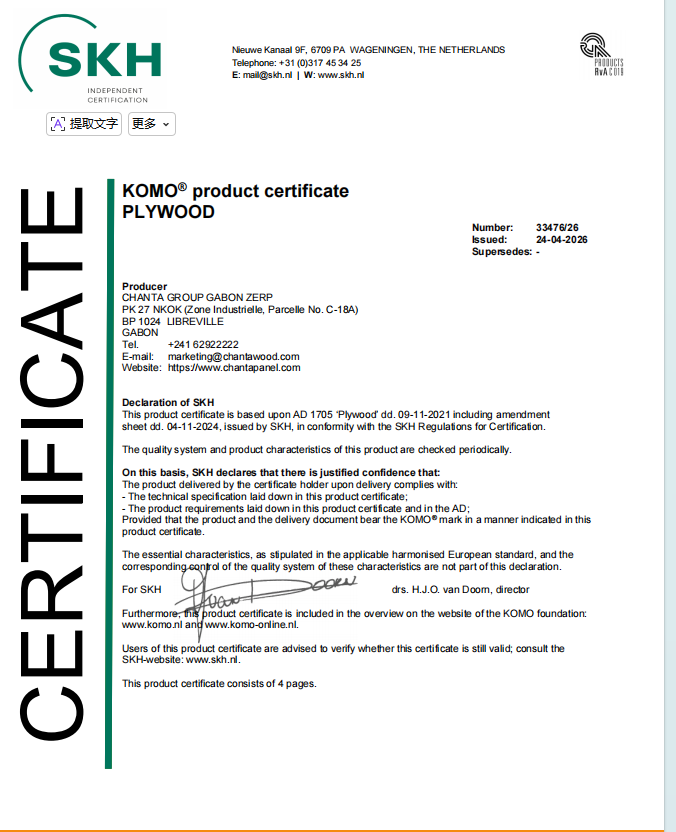
High-quality marine plywood such as BS1088 okoume panels resist moisture through waterproof bonding and stable veneer construction. When builders apply epoxy, paint, or sealing oil, the material performs in wet environments for decades.
Aluminum honeycomb panels resist corrosion, yet seawater, salt spray, and dissimilar metal contact may create long-term oxidation issues. In coastal areas, honeycomb edges require strict sealing; otherwise corrosion gradually weakens internal cells.
Conclusion: Marine plywood handles long-term moisture better in real-world outdoor conditions.
UV Exposure and Heat Response
Marine plywood handles UV exposure well with the help of protective coatings. The panel maintains stable dimensions even when the environment shifts between hot and cold temperatures.
Aluminum honeycomb panels heat up quickly under sun exposure. Temperature differences may cause expansion or surface deformation, especially when bonded with non-metal finishing layers.
Conclusion: For outdoor heat and sunlight, marine plywood performs more reliably.
Installation, Modification, and Repair
Marine Plywood
Marine plywood allows sawing, drilling, sanding, routing, and shaping without special equipment. Contractors adjust dimensions on-site, create curved shapes, and repair damaged areas efficiently.
Aluminum Honeycomb Panels
Because of the metal surface and hollow core, aluminum honeycomb panels require special cutting tools and precision edges. On-site modification becomes more difficult. Once a panel dents or separates, repair becomes complicated and often requires full replacement.
Conclusion: Marine plywood wins in versatility, installation flexibility, and project efficiency.
Cost Comparison
Marine plywood offers a far more affordable price compared with aluminum honeycomb panels. Prices remain stable because factories can source consistent okoume logs from Gabon and manage veneer production efficiently.
| Material | Cost Level | Typical Usage |
|---|---|---|
| Marine Plywood (Okoume, BS1088) | Low–Medium | Boats, flooring, outdoor furniture, construction |
| Aluminum Honeycomb Panels | High | Aerospace, clean rooms, specialty architecture |
Buyers who manage large projects, boat repairs, outdoor spaces, or flooring choose marine plywood because it reduces total installation and maintenance costs.
Environmental and Sustainability Considerations
Sustainability matters more every year. FSC-certified marine plywood provides a renewable material choice with lower energy consumption during production. It aligns better with green construction and environmentally conscious manufacturing.
Aluminum honeycomb panels require high-energy smelting, chemical processing, and bonding. The recycling process also needs specialized handling.
Conclusion: Marine plywood supports greener building practices.
When Marine Plywood Clearly Performs Better
Marine plywood outperforms honeycomb panels in most real-world situations, especially when the project requires:
- moisture resistance
- impact strength
- natural flexibility
- easy on-site customization
- long-term outdoor durability
- lower project cost
Projects that benefit the most include:
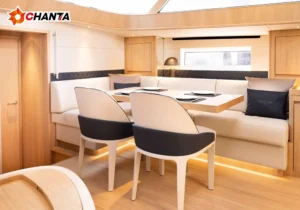
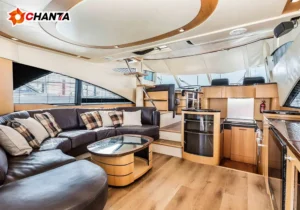
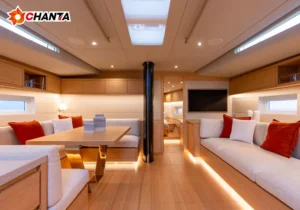
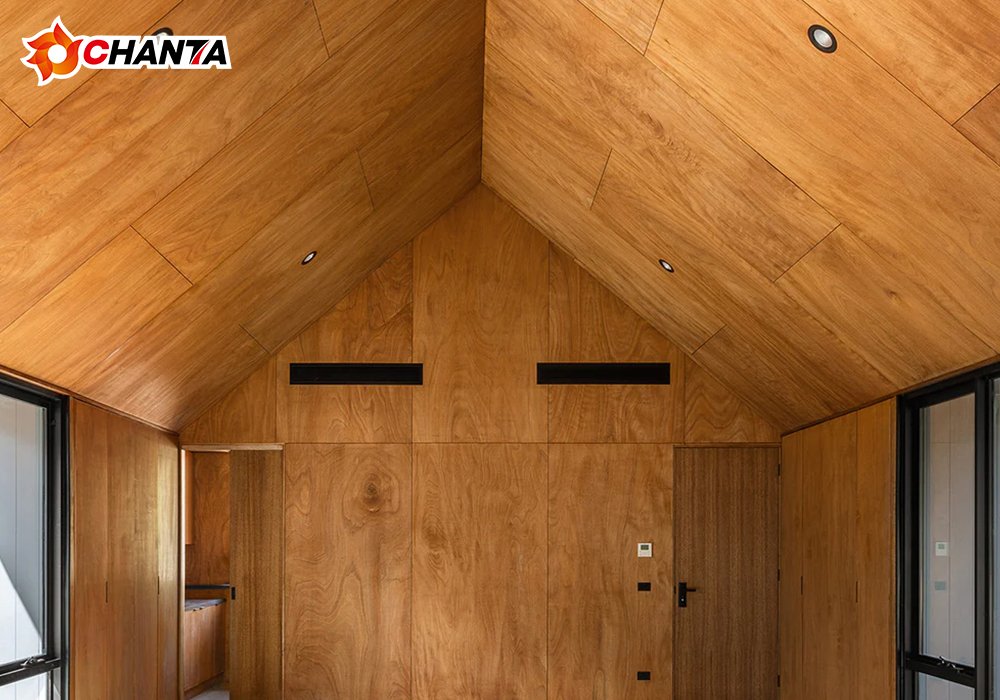
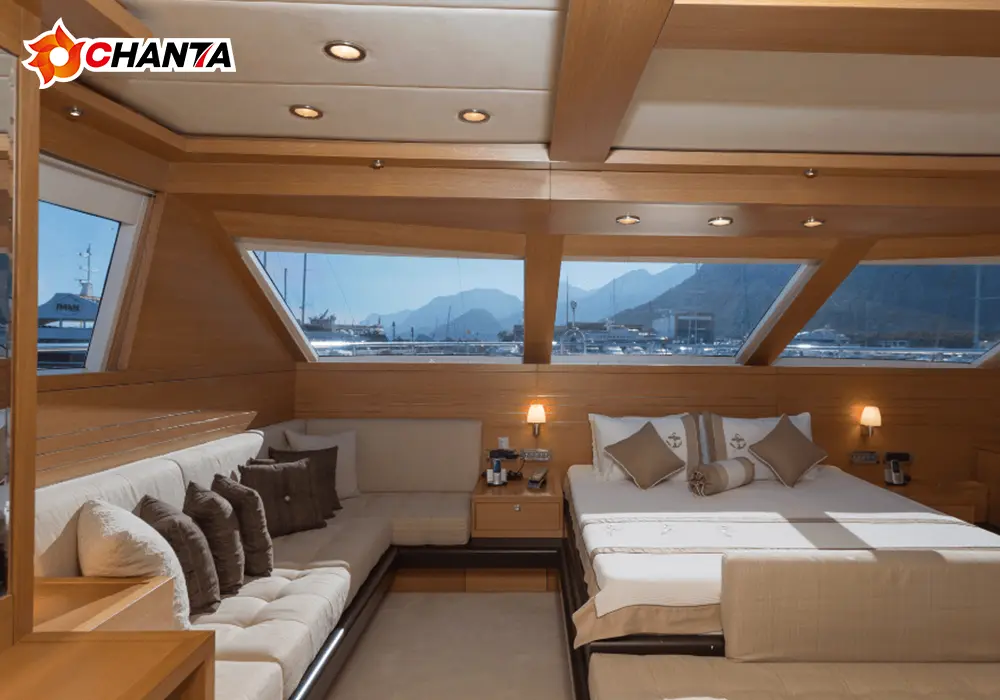
- boat decks and interiors
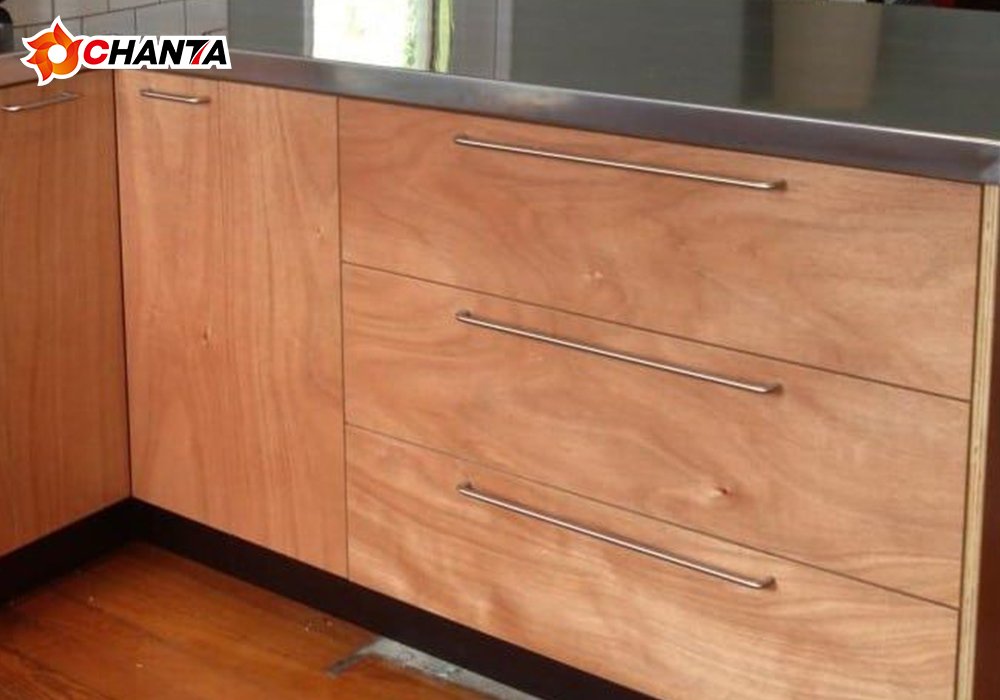
- outdoor kitchen structures
- bathrooms and wet areas
- roof decks and balconies
- trailers and campers
- coastal construction
For these applications, marine plywood proves both practical and economical.
Why More Buyers Choose Chanta Marine Plywood
Contractors and importers select Chanta because we provide stable quality, reliable delivery, and professional grade control. Our factory uses Gabon okoume logs, waterproof bonding, and strict calibration systems to ensure each sheet performs consistently.
We supply:
- BS1088 okoume marine plywood
- moisture-resistant marine-grade panels
- custom thickness options
- bulk export service
If your project requires long-lasting marine plywood, our team can help you choose the right thickness, grade, and core structure for optimal outdoor or marine performance.
Ready to Choose the Right Material for Your Project?
Both marine plywood and aluminum honeycomb panels serve specific purposes, but when your project requires strength, moisture resistance, affordability, and easy modification, marine plywood stays the better choice. Its natural durability and practical performance make it the smarter long-term material for construction, boating, outdoor furniture, and architectural applications.
Explore our products here:
https://chantagabon.com/marine-plywood/
Contact Chanta anytime — we reply within 12 hours with a full quotation and specification support.