
Table of contents
- Consistent Quality Starts with the Right Raw Material
- Lightweight but Strong — A Rare Combination
- Better Surface, Less Work Later
- Reliable Performance in Humid and Marine Environments
- Common Specifications Builders Prefer
- Fewer Surprises, More Predictable Results
- Meeting Global Standards Is No Longer Optional
- Supply Chain Advantages for International Buyers
- Is It the Right Choice for Every Project?
Over the past few years, more builders, contractors, and manufacturers have started to shift their attention toward one material in particular — Gabon marine plywood. This change is not just a trend. It reflects a deeper understanding of performance, cost efficiency, and long-term reliability in demanding environments.
If you work in construction, furniture manufacturing, or marine projects, you have probably noticed this shift as well. So what is really driving this growing preference? Let’s take a closer look.
Consistent Quality Starts with the Right Raw Material
One of the biggest reasons builders choose Gabon marine plywood comes down to the raw material — Okoume wood. Gabon is one of the world’s leading sources of Okoume, a hardwood known for its light weight, smooth texture, and stable structure.
Unlike mixed-core plywood from uncertain sources, Okoume-based marine plywood offers a more uniform structure. That consistency makes a noticeable difference during cutting, assembling, and finishing. Builders do not have to deal with unexpected core gaps or uneven density.
Lightweight but Strong — A Rare Combination
Weight matters more than people think, especially in large-scale projects or marine applications. Gabon marine plywood delivers a unique balance: it stays lightweight while still maintaining strong structural performance.
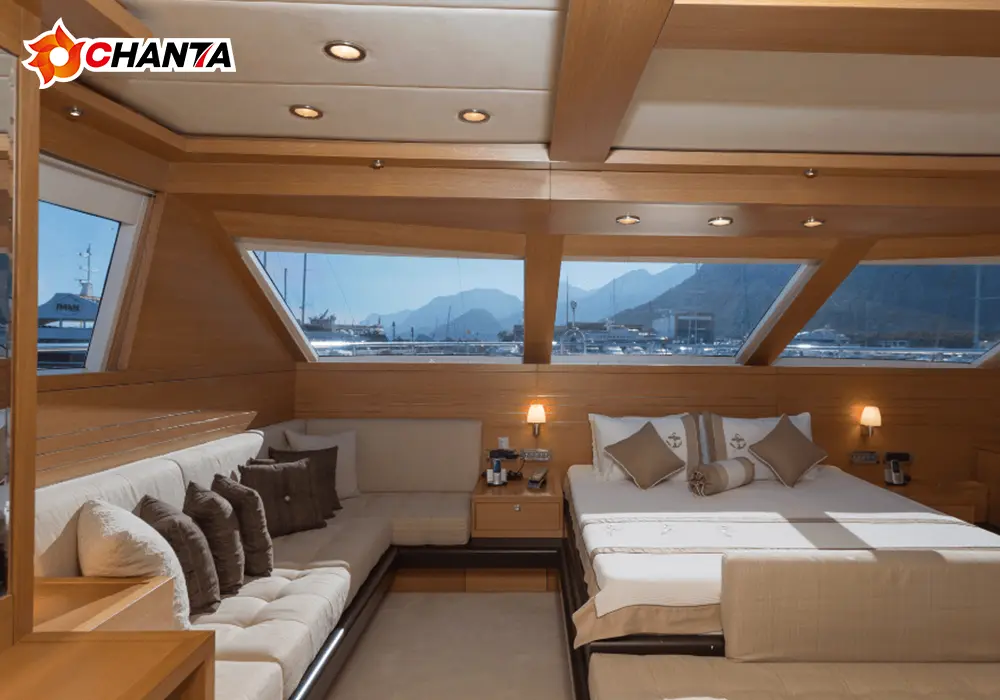
For example, in boat building or interior construction, reducing weight can improve efficiency and lower transportation costs. At the same time, the plywood still holds screws firmly and resists bending under pressure. That combination is difficult to achieve with many alternative materials.
Better Surface, Less Work Later
Another reason builders switch to Gabon marine plywood is the surface quality. Okoume veneer naturally provides a smooth and clean finish, which reduces the need for additional sanding or corrections.
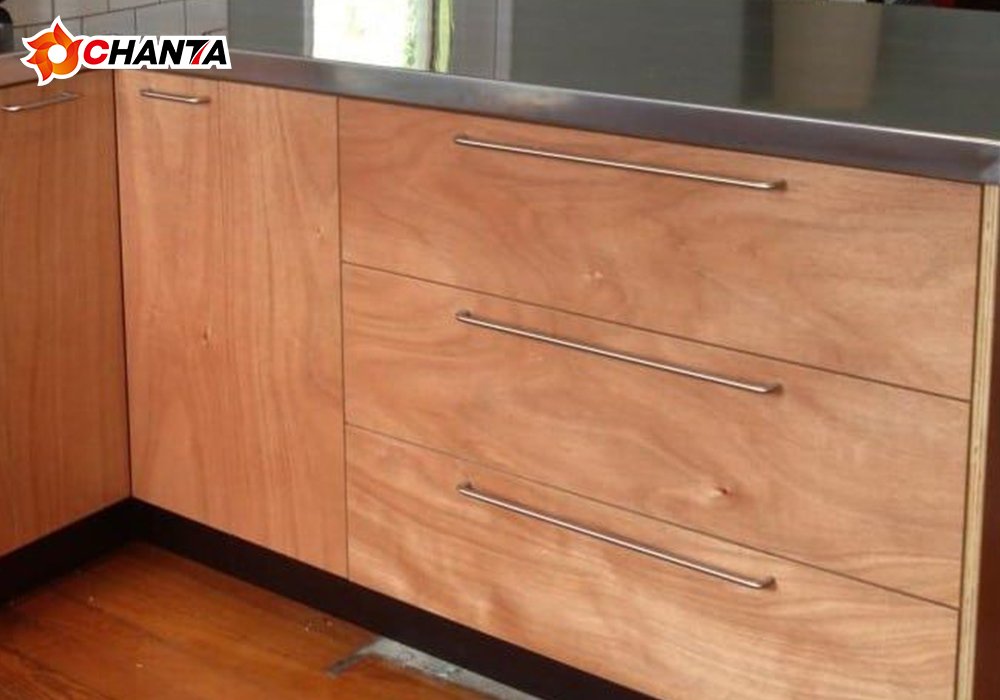
For furniture manufacturers and interior designers, this means faster production and better final results. The surface accepts paint, laminate, and veneer easily, helping projects achieve a premium look without extra processing steps.
Reliable Performance in Humid and Marine Environments
Marine plywood must perform under moisture, and this is where Gabon products stand out. When manufacturers use proper WBP (water boil proof) glue and controlled production processes, the panels maintain their integrity even in wet conditions.
Builders working on coastal projects, kitchens, or bathrooms often prefer Gabon marine plywood because it reduces the risk of swelling, delamination, or long-term damage.
Common Specifications Builders Prefer
Most builders choose standard sizes and thicknesses to match their projects. The table below shows typical options:
| Specification | Details |
|---|---|
| Size | 1220 x 2440 mm (4×8 feet) |
| Thickness | 9 mm, 12 mm, 18 mm, 25 mm |
| Core Material | Okoume or hardwood |
| Glue Type | WBP / Phenolic |
| Applications | Boat building, furniture, interiors, construction |
Fewer Surprises, More Predictable Results
Builders often complain about inconsistency in plywood quality. Some sheets perform well, while others fail during installation. That unpredictability slows down projects and increases costs.
With Gabon marine plywood, production tends to follow stricter standards, especially when exported to Europe or North America. This leads to more stable quality across batches, which gives buyers confidence when ordering in bulk.
Meeting Global Standards Is No Longer Optional
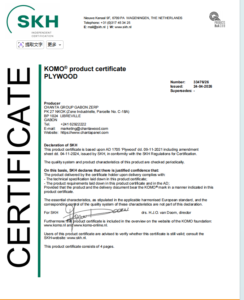
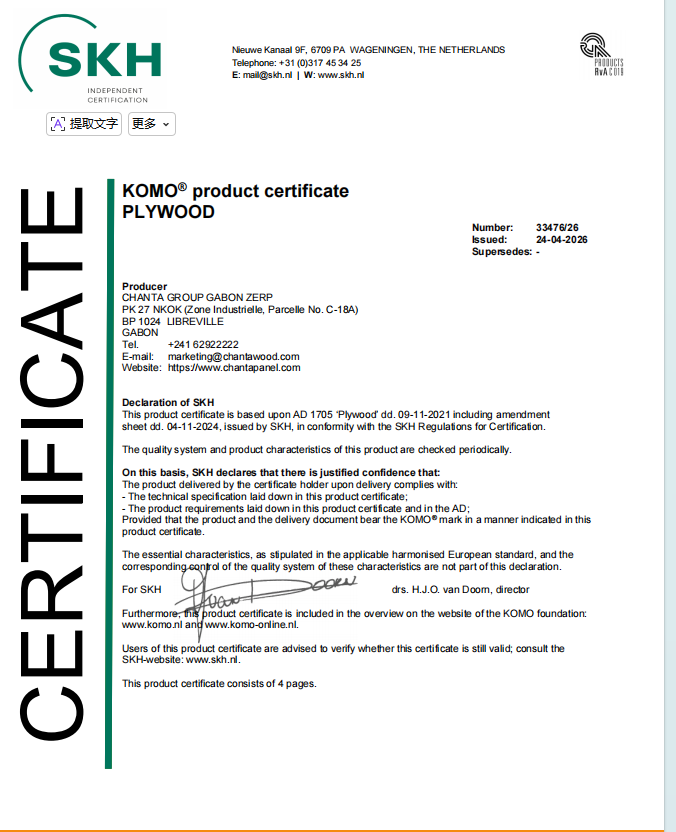
Today’s projects require compliance with environmental and safety standards. Gabon marine plywood often comes with certifications such as:
- FSC (sustainable forestry)
- CARB / EPA TSCA Title VI (low emissions)
- CE marking (European compliance)
- BS1088 (marine grade standard)
These certifications are not just paperwork. They allow builders and importers to enter regulated markets without delays or risks.
Supply Chain Advantages for International Buyers
Another factor behind the growing popularity is supply stability. With established production bases and export channels, Gabon plywood has become easier to source in large quantities.
For distributors and project contractors, this means:
- More reliable delivery schedules
- Better control over inventory
- Consistent product specifications
In large projects, supply reliability can be just as important as product quality.
Is It the Right Choice for Every Project?
Gabon marine plywood works best when projects require a combination of appearance, durability, and moisture resistance. It may not always be the cheapest option on the market, but many buyers find that it delivers better value over time.
Instead of focusing only on upfront cost, experienced builders often look at the total lifecycle — including installation efficiency, maintenance, and long-term performance.
Final Thoughts
The shift toward Gabon marine plywood reflects a broader change in how builders choose materials. Instead of taking risks with inconsistent products, more professionals now prefer stable, certified, and performance-driven solutions.
As demand for reliable plywood continues to grow, Gabon’s role in the global supply chain will likely become even more important. For builders who value quality and predictability, this material offers a practical and proven choice.