
Table of contents
In the global plywood market, buyers often hear the same claim: Gabon marine plywood offers better quality and more reliable performance. But is this actually true, or just another marketing message repeated across suppliers?
To answer this question, it is important to look beyond product descriptions and examine real factors such as raw materials, production methods, performance in use, and long-term value. Only then can buyers decide whether Gabon marine plywood is truly the better choice for their projects.
What Buyers Usually Compare First
Price vs Performance
For many importers and contractors, price is often the starting point. Gabon marine plywood is not always the cheapest option in the market. However, experienced buyers rarely make decisions based on price alone.
Instead, they evaluate how the material performs over time. Lower-cost plywood may lead to higher replacement costs, delays, or additional labor during installation.
Appearance vs Structure
At first glance, many plywood sheets look similar. Smooth surfaces and clean edges can give the impression of high quality. But true performance depends on internal structure, not just appearance.
This is where differences begin to show between Gabon marine plywood and lower-grade alternatives.
Key Differences That Matter in Real Use
Raw Material Consistency
Gabon marine plywood typically uses Okoume wood, which provides a uniform texture and stable density. Compared to mixed hardwood cores, this consistency results in fewer defects and better overall performance.
For buyers, this means fewer issues during cutting, assembly, and finishing processes.
Core Structure and Bonding
The internal structure of plywood plays a critical role in strength and durability. High-quality panels use well-aligned veneer layers with strong adhesive bonding.
When properly manufactured, Gabon marine plywood shows better resistance to warping and delamination, especially in humid conditions.
Weight and Workability
Okoume-based plywood is lighter than many hardwood alternatives. This makes handling easier and reduces transportation costs, particularly in large-scale projects.
At the same time, it maintains enough strength for structural and decorative applications.
Side-by-Side Comparison
| Factor | Gabon Marine Plywood | Standard Plywood |
|---|---|---|
| Raw Material | Okoume (uniform) | Mixed hardwood |
| Weight | Lightweight | Heavier |
| Surface Quality | Smooth, clean | Inconsistent |
| Moisture Resistance | High (WBP glue) | Varies |
| Consistency | Stable across batches | Often inconsistent |
Where Gabon Marine Plywood Performs Better
Marine and Humid Environments
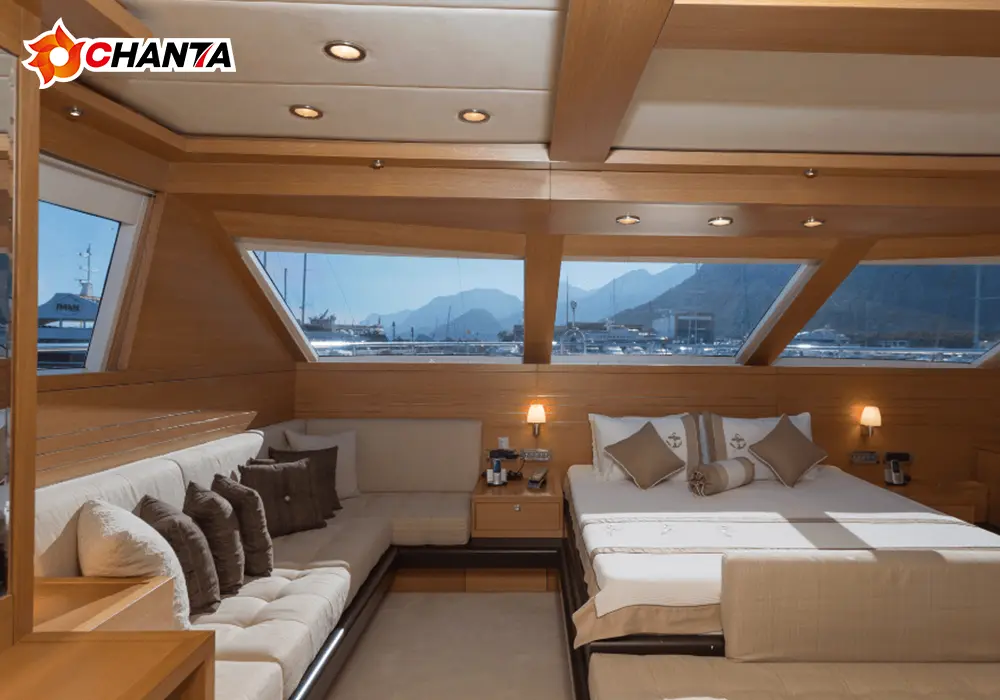
Projects exposed to moisture require materials that can maintain stability over time. Gabon marine plywood performs well in these conditions due to its structure and adhesive quality.
Furniture and Interior Applications
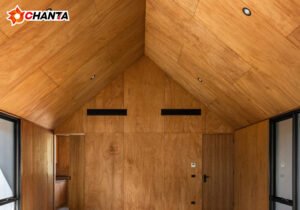
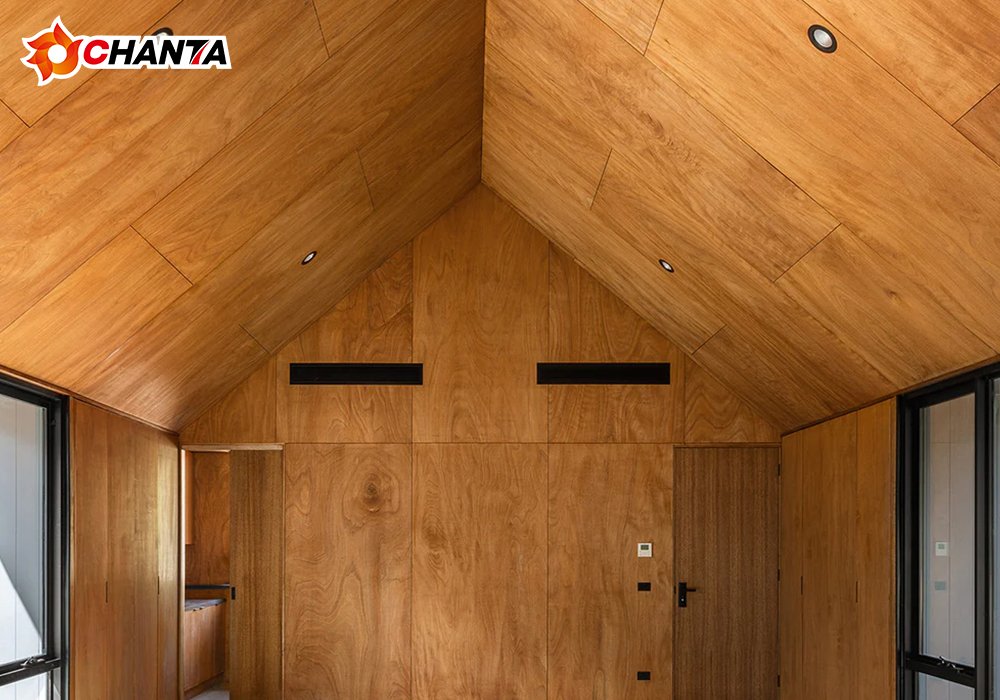
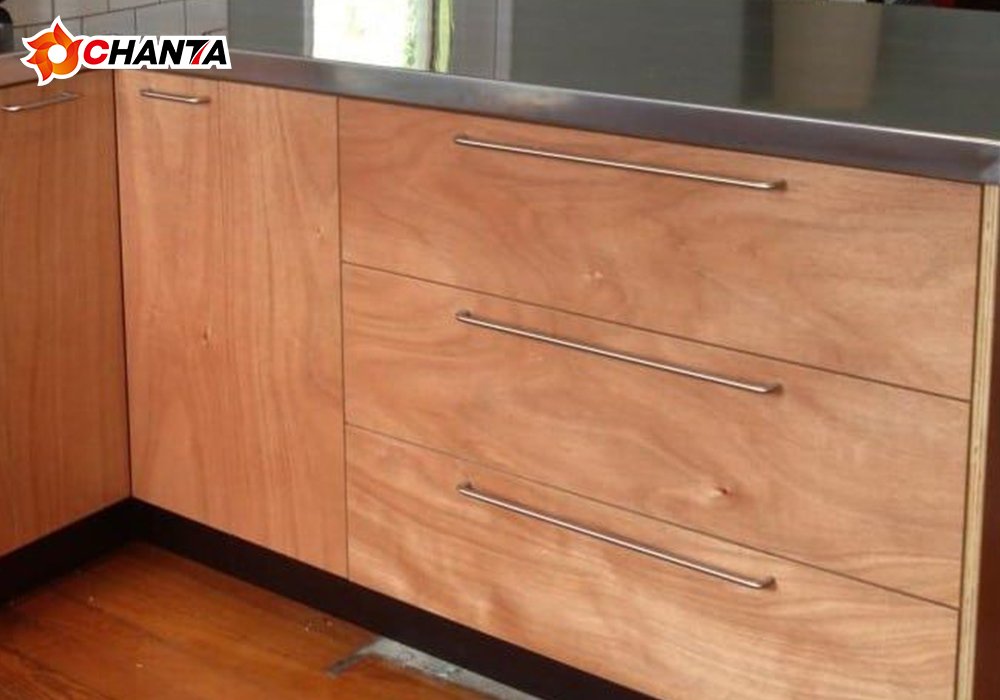
The smooth surface of Okoume plywood makes it suitable for furniture and interior decoration. It reduces finishing work and improves final appearance.
Projects Requiring Consistency
For large orders, consistency is critical. Gabon marine plywood offers more predictable quality, which reduces risk for buyers handling bulk shipments.
Where It May Not Be the Best Option
Heavy Structural Use
In applications requiring maximum density and strength, some hardwood plywood types may perform better. Gabon plywood focuses more on balance rather than extreme strength.
Ultra-Low Budget Projects
For projects with very tight budgets, lower-cost plywood may still be selected. However, this often involves trade-offs in quality and durability.
Understanding Certifications and Standards
What Certifications Indicate
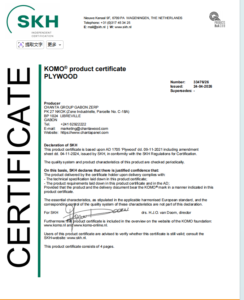
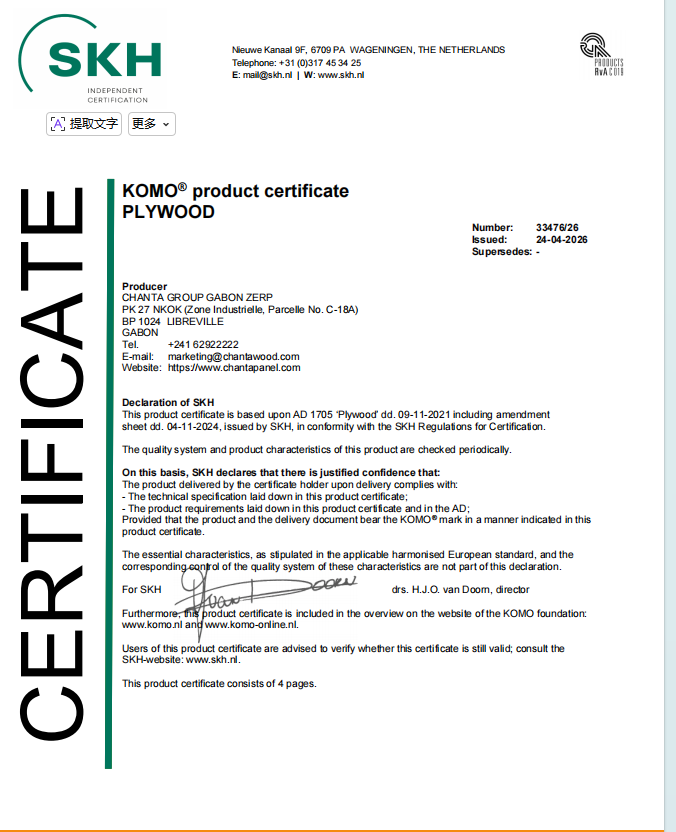
Gabon marine plywood often comes with certifications such as FSC, CE, CARB, and BS1088. These indicate compliance with environmental and safety standards.
Why Certification Alone Is Not Enough
While certifications are important, they do not guarantee overall performance. Buyers should combine certification checks with real product evaluation.
What Experienced Buyers Focus On
Long-Term Value
Rather than focusing only on initial cost, experienced buyers consider durability, ease of use, and replacement frequency.
Supplier Reliability
Consistent production and delivery capability often matter more than small price differences.
Application Fit
The best material depends on how it will be used. Matching plywood properties to project requirements leads to better outcomes.
So, Is It Really Better?
A Balanced Answer
Gabon marine plywood is not universally superior in every situation, but it does offer a strong combination of qualities that make it highly competitive.
Its advantages become clear in projects that require consistency, workability, and resistance to moisture.
Why Many Buyers Still Choose It
For many importers, contractors, and manufacturers, the balance between performance and reliability makes Gabon marine plywood a preferred choice.
Final Thoughts
The question is not simply whether Gabon marine plywood is better, but whether it is the right fit for your project.
For buyers who value stable quality, efficient processing, and reliable performance, it often proves to be a practical and dependable option in a competitive market.