
Table of contents
- Understanding Okoume Plywood
- Understanding Birch Plywood
- Weight Comparison: A Major Difference
- Strength and Structural Performance
- Surface Quality and Appearance
- Workability and Manufacturing Efficiency
- Marine Applications and Moisture Resistance
- Cost Considerations
- Quick Comparison Table
- Which One Should You Choose?
Choosing the right plywood can have a significant impact on the success of a project. Whether you are manufacturing furniture, building boats, designing interiors, or managing large-scale construction projects, the material you select directly affects durability, appearance, production efficiency, and overall cost. Among the many plywood options available in the market, two products frequently stand out: Okoume plywood and birch plywood.
Both materials enjoy strong reputations and are widely used around the world. However, they are designed to meet different needs. Buyers often compare these two plywood types because they want to understand which material offers better value, stronger performance, and greater suitability for specific applications. The answer depends on several factors, including weight, strength, appearance, workability, moisture resistance, and project requirements.
In this guide, we will take a closer look at the differences between these two popular plywood products and help buyers make more informed purchasing decisions.
Understanding Okoume Plywood
What Is Okoume Plywood?
Okoume plywood is manufactured using veneers produced from Okoume wood, a species primarily sourced from Central Africa, particularly Gabon. The wood is known for its lightweight characteristics, uniform grain structure, and smooth appearance. Because of these natural qualities, Okoume has become one of the most widely used materials for premium plywood production.
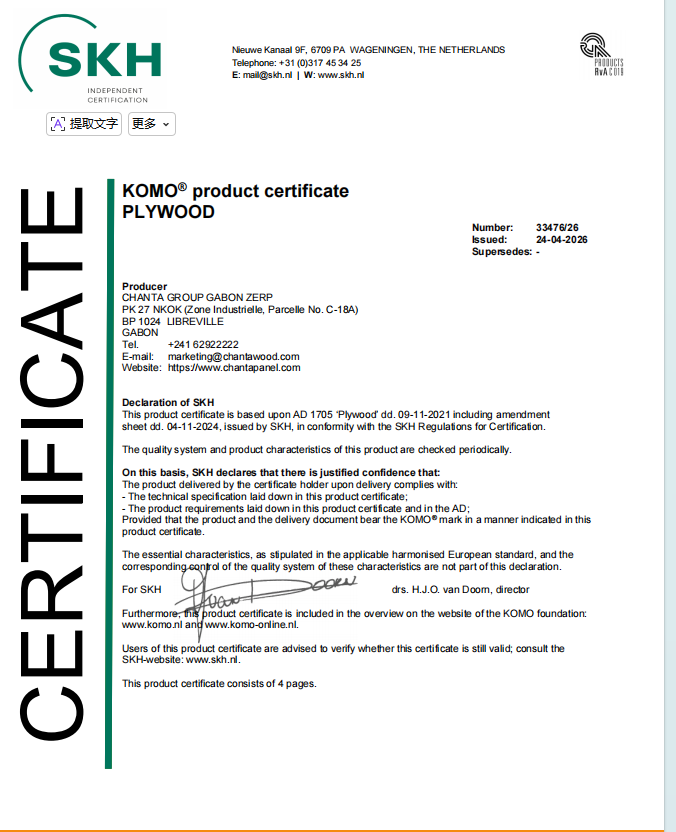
Many international buyers specifically seek Gabon Okoume plywood supplier options because Gabon remains one of the world’s leading sources of high-quality Okoume logs and veneers. Direct access to raw materials often helps improve consistency, quality control, and supply stability.
Key Characteristics of Okoume Plywood
Okoume plywood is best known for its lightweight structure, attractive appearance, and excellent processing performance. These characteristics make it highly suitable for furniture manufacturing, interior decoration, marine construction, and architectural applications where aesthetics and efficiency are important.
Its relatively low density also allows manufacturers to reduce the overall weight of finished products without sacrificing structural reliability.
Understanding Birch Plywood
What Is Birch Plywood?
Birch plywood is produced using multiple layers of birch veneers bonded together under pressure. Birch wood is naturally denser than Okoume, resulting in plywood panels that offer excellent mechanical strength and high load-bearing capacity.
Because of its durability and rigidity, birch plywood is commonly used in industrial furniture, flooring systems, cabinetry, packaging solutions, shelving, and applications requiring superior structural performance.
Key Characteristics of Birch Plywood
Birch plywood is recognized for its strength, hardness, screw-holding capacity, and dense construction. While these qualities make it highly durable, they also contribute to increased weight, which may not be ideal for all projects.
For applications where structural performance takes priority over lightweight design, birch plywood remains a popular choice.
Weight Comparison: A Major Difference
Why Weight Matters
Weight plays a critical role in transportation, installation, handling, and finished product performance. In industries such as marine construction, furniture manufacturing, and recreational vehicle production, reducing weight can significantly improve efficiency and lower operating costs.
This is one of the main reasons buyers frequently compare Okoume plywood vs birch plywood when selecting materials for large-scale projects.
Okoume Takes the Advantage
Compared with birch plywood, Okoume plywood is considerably lighter. This lightweight structure allows manufacturers to simplify transportation, reduce labor during installation, and improve production efficiency.
In marine applications, lower weight can contribute directly to better vessel performance and fuel efficiency. For furniture manufacturers, lighter panels can reduce shipping costs and improve handling during assembly.
Strength and Structural Performance
Birch Plywood Offers Higher Density
When it comes to pure mechanical strength, birch plywood generally outperforms Okoume plywood. Its dense structure provides exceptional rigidity and load-bearing capacity, making it suitable for heavy-duty applications.
Projects involving industrial shelving, workshop furniture, structural flooring, and commercial cabinetry often benefit from the additional strength provided by birch plywood.
Okoume Provides Balanced Performance
Although Okoume plywood is lighter, it still delivers reliable structural stability for many applications. For furniture, decorative construction, marine interiors, and wall systems, the material provides an excellent balance between strength and weight.
For many buyers, this balance offers greater practical value than maximum density alone.
Surface Quality and Appearance
Natural Beauty of Okoume
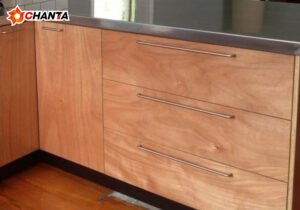
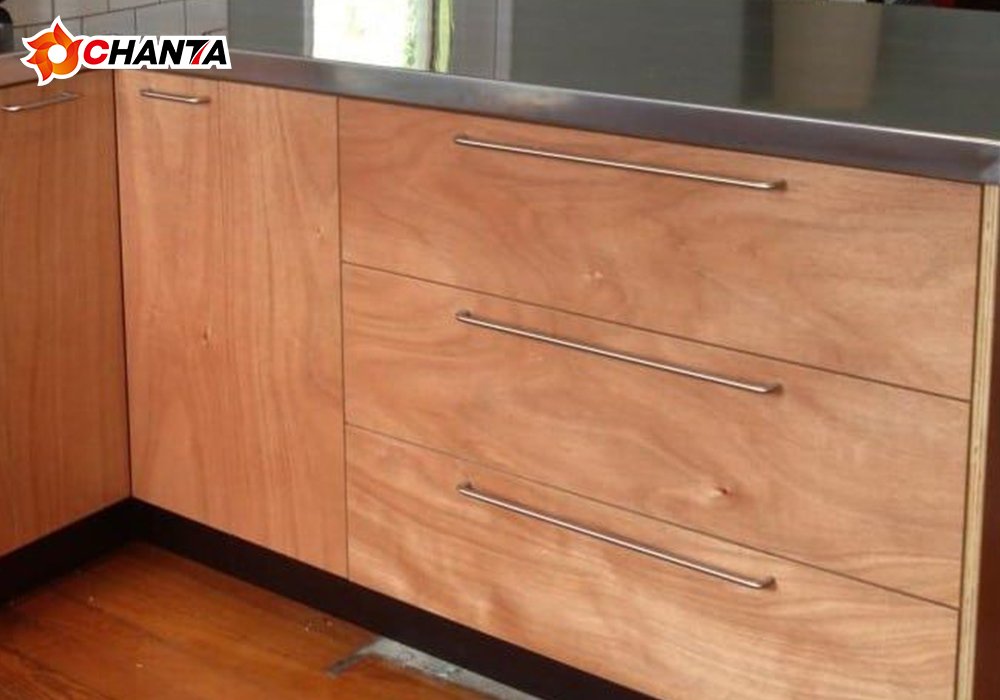
One reason architects, designers, and furniture manufacturers prefer Okoume plywood is its attractive grain pattern and warm natural color. The smooth veneer surface creates a premium appearance that works well in visible applications.
The material accepts paint, stains, laminates, and decorative finishes effectively, allowing manufacturers to achieve a wide variety of design styles.
Birch Offers a Clean Modern Look
Birch plywood also provides an attractive appearance, characterized by a lighter and more uniform grain pattern. It is often selected for Scandinavian-style furniture, modern interiors, and exposed-edge plywood designs.
The choice between Okoume and birch often depends on the desired visual effect and final product positioning.
Workability and Manufacturing Efficiency
Why Processing Performance Matters
Manufacturers evaluate plywood not only by its appearance and strength but also by how efficiently it can be processed. Materials that cut smoothly and machine easily can significantly reduce labor costs and improve production speed.
Okoume Is Easier to Process
Because of its lower density, Okoume plywood is easier to cut, drill, shape, and sand. This advantage becomes particularly valuable in high-volume production environments where efficiency directly impacts profitability.
For companies looking for Okoume plywood for furniture manufacturing, the material’s workability often becomes one of its strongest selling points.
Marine Applications and Moisture Resistance
Why Marine Builders Prefer Okoume
Marine construction requires materials that can withstand demanding environmental conditions while maintaining structural stability. Weight reduction is also an important consideration in boat design and manufacturing.
For these reasons, many builders select Okoume marine plywood for boat building. When manufactured with WBP or phenolic adhesives, Okoume plywood delivers excellent moisture resistance and reliable performance in marine environments.
Can Birch Be Used in Marine Applications?
Birch plywood can also be manufactured with waterproof adhesive systems. However, its higher density and heavier weight often make it less attractive for marine applications where weight reduction plays a critical role.
As a result, Okoume remains one of the most widely specified materials in marine-grade plywood production.
Cost Considerations
Looking Beyond Sheet Price
Many buyers focus heavily on material cost when comparing plywood options. However, the lowest purchase price does not always result in the lowest project cost.
Transportation expenses, production efficiency, installation time, finishing requirements, and product lifespan all contribute to the total cost of ownership.
Value Over Price
For projects where appearance, workability, and lightweight performance are priorities, Okoume plywood often delivers stronger overall value. For applications demanding maximum structural strength, birch plywood may justify its additional weight and cost.
The most effective purchasing strategy is to evaluate total project requirements rather than focusing solely on initial material price.
Quick Comparison Table
| Feature | Okoume Plywood | Birch Plywood |
|---|---|---|
| Weight | Lightweight | Heavy |
| Strength | Good | Excellent |
| Appearance | Warm natural grain | Uniform light grain |
| Workability | Excellent | Good |
| Marine Applications | Highly Recommended | Limited |
| Furniture Manufacturing | Excellent | Excellent |
| Transportation Efficiency | High | Moderate |
Which One Should You Choose?
Choose Okoume Plywood If:
You need lightweight panels, attractive appearance, easy processing, reliable moisture resistance, or marine-grade performance. Okoume plywood is particularly suitable for furniture production, interior decoration, marine construction, wall systems, and decorative architectural projects.
Choose Birch Plywood If:
You require maximum strength, higher density, exceptional screw-holding performance, or industrial-grade durability. Birch plywood remains an excellent option for structural furniture, flooring systems, shelving, and commercial applications.
Final Thoughts
The debate between Okoume plywood and birch plywood does not have a universal winner. Each material offers unique advantages and serves different purposes. Okoume stands out for its lightweight performance, smooth appearance, excellent workability, and strong marine applications. Birch excels in strength, density, and structural durability.
For many international buyers, particularly those involved in furniture manufacturing, interior decoration, and marine construction, Okoume plywood provides an outstanding balance of efficiency, aesthetics, and performance. Understanding the specific needs of your project will help you select the material that delivers the greatest long-term value.