
Table of contents
- Understanding What Marine Plywood Is
- Step 1: Define Your Project Requirements
- Step 2: Choose the Right Thickness
- Step 3: Evaluate Core Quality
- Step 4: Check Glue Type
- Step 5: Consider Surface Quality
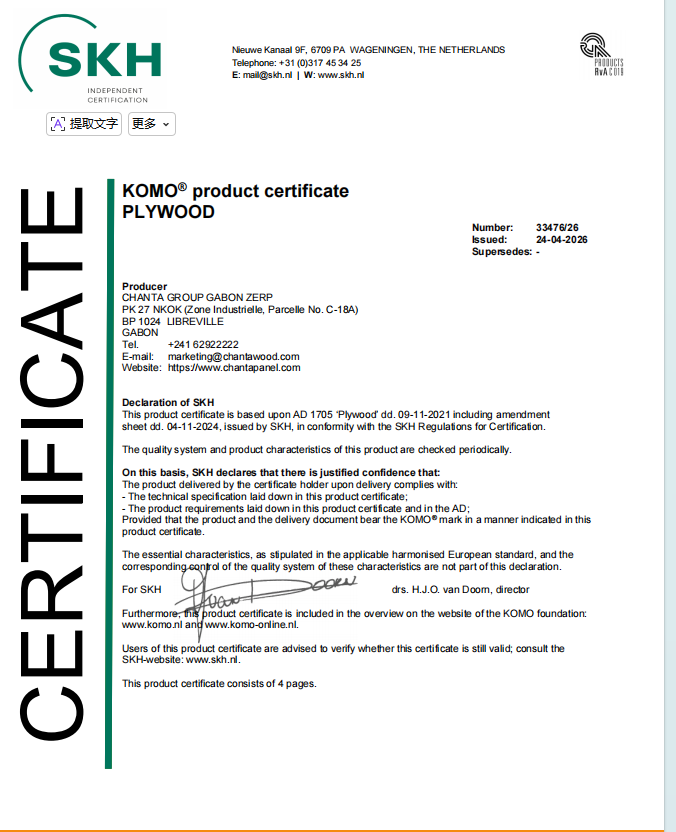
- Step 6: Verify Certifications
- Step 7: Compare Suppliers, Not Just Products
- Common Mistakes Buyers Should Avoid
- Why Many Buyers Choose Gabon Marine Plywood
Choosing the right plywood may seem simple at first, but once you start comparing options, the differences quickly become clear. For many buyers, especially those working on large projects, selecting the wrong material can lead to higher costs, delays, and quality issues.
This guide breaks down the key factors you need to consider when selecting marine plywood, with a focus on how Gabon marine plywood fits into real-world applications.
Understanding What Marine Plywood Is
Not Just a Label
The term marine plywood is often used loosely in the market. In reality, it refers to plywood designed to perform under moisture and demanding conditions.
True marine plywood uses high-quality veneers and strong adhesive bonding, typically WBP or phenolic glue, to prevent delamination.
Why Origin Matters
The source of the plywood plays a major role in quality. Gabon marine plywood is widely recognized because it uses Okoume wood, which provides a more consistent structure compared to mixed hardwood cores.
Step 1: Define Your Project Requirements
Indoor vs Outdoor Use
The first step is understanding where the plywood will be used. Indoor applications may require less moisture resistance, while outdoor or marine environments demand higher durability.
For humid conditions, many buyers prefer Gabon marine plywood due to its stable performance.
Load and Structural Needs
Different projects require different strength levels. Furniture, flooring, and boat construction all have unique requirements.
Choosing the correct thickness and core structure ensures the material performs as expected.
Step 2: Choose the Right Thickness
Common Thickness Options
Thickness directly affects strength and application. Below is a general guide:
| Thickness | Application |
|---|---|
| 9 mm | Wall panels, light furniture |
| 12 mm | Cabinets, partitions |
| 18 mm | Furniture, flooring |
| 25 mm | Heavy-duty structures |
Matching Thickness to Use
Using thinner panels in heavy applications can lead to bending or failure. On the other hand, thicker panels may increase cost unnecessarily.
.Buyers often choose Gabon marine plywood in 18 mm or 25 mm for balanced strength and performance.
Step 3: Evaluate Core Quality
Uniform vs Mixed Core
Core quality is one of the most overlooked factors. A uniform core structure provides better strength and stability.
Okoume marine plywood from Gabon typically offers a more consistent core, which reduces defects and improves reliability.
Checking for Defects
Buyers should look for gaps, overlaps, or voids inside the panel. These issues can weaken the plywood and affect performance.
Step 4: Check Glue Type
WBP and Phenolic Glue
Glue determines how well the plywood handles moisture. High-quality marine plywood uses WBP or phenolic adhesives.
These adhesives maintain bonding strength even after exposure to water and heat.
Why This Matters
Without proper glue, plywood layers may separate over time. This is especially important for marine and outdoor applications.
Step 5: Consider Surface Quality
Importance for Finishing
Surface quality affects how the plywood looks after finishing. Smooth surfaces reduce the need for additional sanding.
Gabon marine plywood is often preferred for its clean surface, making it suitable for furniture and interior use.
Time and Cost Impact
Better surface quality saves time during production and reduces labor costs.
Step 6: Verify Certifications
Common Certifications
- FSC for sustainable sourcing
- CARB / EPA for low emissions
- CE for European markets
- BS1088 for marine standards
What They Mean for Buyers
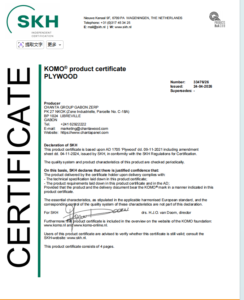
Certifications help ensure compliance with international regulations, which is critical for export projects.
Step 7: Compare Suppliers, Not Just Products
Production Capability
A reliable supplier should offer consistent quality and stable production capacity.
Experience in Export
Suppliers familiar with international markets understand documentation, packaging, and shipping requirements.
Consistency Across Orders
Bulk buyers should ensure that quality remains consistent across multiple shipments.
Common Mistakes Buyers Should Avoid
Focusing Only on Price
Lower prices may come with hidden risks such as poor quality or inconsistent supply.
Ignoring Specifications
Choosing the wrong thickness or glue type can lead to performance issues.
Skipping Quality Checks
Always request samples and test reports before placing large orders.
Why Many Buyers Choose Gabon Marine Plywood
Balanced Performance
Gabon marine plywood offers a combination of strength, light weight, and workability.
Reliable Quality
Its consistent structure reduces defects and improves overall performance.
Global Acceptance
Products from Gabon often meet international standards, making them suitable for global markets.
Final Thoughts
Choosing the right marine plywood requires careful evaluation of multiple factors, including thickness, core quality, glue type, and supplier reliability.
For many buyers, Gabon marine plywood provides a practical balance between performance and consistency. By understanding these factors, you can make more confident purchasing decisions and achieve better results in your projects.