
Table of contents
Choosing the right marine plywood thickness is one of the most important decisions buyers make when sourcing materials for construction, furniture, or marine applications. While many buyers focus on price or certification, thickness plays a direct role in performance, durability, and overall project success.
From 9mm lightweight panels to 25mm heavy-duty boards, each thickness serves a different purpose. Understanding these differences helps buyers avoid costly mistakes and select materials that match their exact application requirements.
Why Thickness Matters More Than You Think
Structural Strength and Load Capacity
Thickness directly affects how much weight a plywood panel can support. Thinner sheets such as 9mm marine plywood are suitable for light applications, but they may bend or flex under heavy loads. In contrast, thicker panels like 18mm or 25mm provide greater rigidity and structural strength.
For projects such as flooring, decking, or load-bearing furniture, selecting the wrong thickness can lead to long-term issues, including deformation or failure under pressure.
Durability in Real Conditions
In environments where moisture, temperature changes, or repeated stress are factors, thicker plywood generally performs better over time. Marine plywood designed for outdoor or marine use must maintain its integrity even after prolonged exposure to humidity or water.
Choosing the appropriate thickness ensures that the material not only meets immediate requirements but also maintains performance throughout its lifecycle.
Overview of Common Marine Plywood Thickness Options
Most global buyers work with standard thickness ranges, especially when sourcing Gabon marine plywood. The most commonly used options include:
| Thickness | Main Applications | Key Benefits |
|---|---|---|
| 9 mm | Wall panels, ceilings, decorative use | Lightweight, flexible, cost-effective |
| 12 mm | Cabinets, partitions, interior panels | Balanced strength and workability |
| 18 mm | Furniture, flooring, structural use | Strong, durable, versatile |
| 25 mm | Heavy-duty construction, marine structures | Maximum strength and stability |
Understanding Each Thickness in Detail
9mm Marine Plywood: Lightweight and Flexible
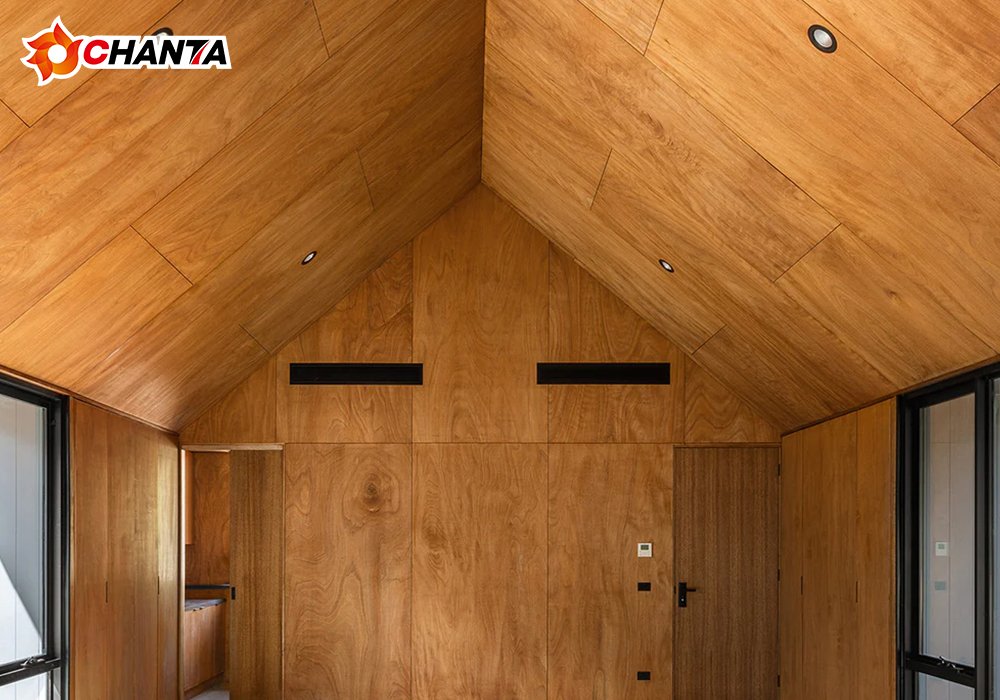
9mm marine plywood is typically used in applications where weight reduction is important and structural load is minimal. It is commonly applied in wall paneling, ceiling systems, and decorative surfaces where flexibility and ease of installation are key advantages.
However, buyers should be aware that this thickness does not provide significant load-bearing capacity. Using it in structural applications can lead to bending or instability, especially in high-moisture environments.
12mm Marine Plywood: A Practical Balance
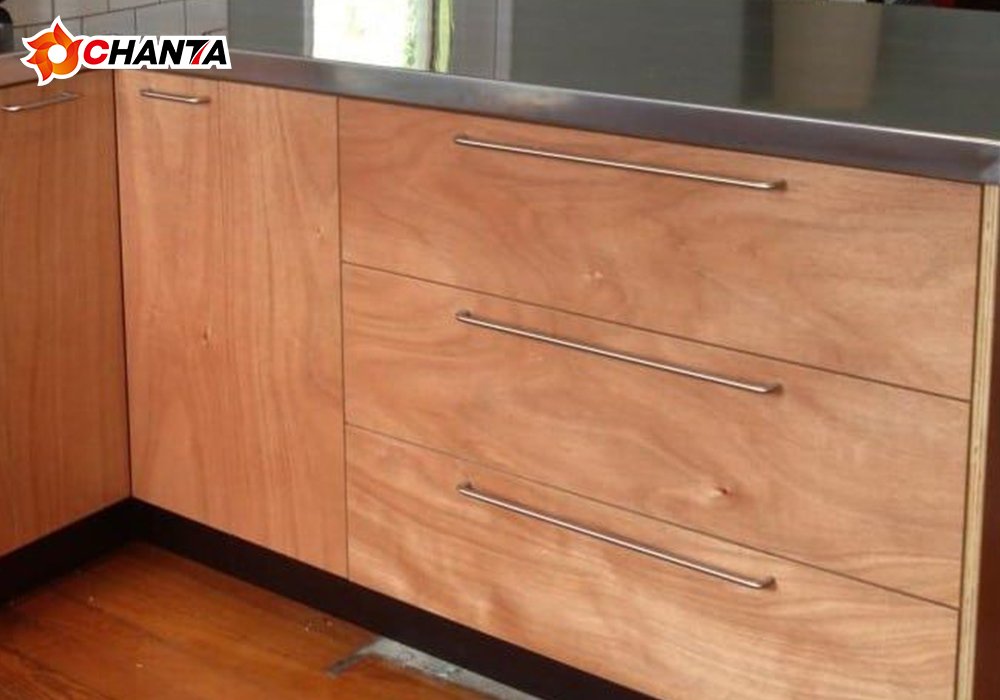
12mm marine plywood offers a good balance between strength and flexibility. It is widely used for cabinetry, partitions, and interior applications where moderate strength is required without excessive weight.
This thickness is often chosen by furniture manufacturers because it is easy to process while still providing enough durability for everyday use.
18mm Marine Plywood: The Most Versatile Option
Among all options, 18mm marine plywood is considered the most versatile. It provides strong load-bearing capacity and is suitable for a wide range of applications, including furniture, flooring, and structural components.
Many buyers prefer this thickness because it offers a reliable balance between cost, strength, and durability. It is often the default choice for projects that require both performance and flexibility.
25mm Marine Plywood: Maximum Strength for Demanding Projects
25mm marine plywood is designed for heavy-duty applications where strength and stability are critical. It is commonly used in construction, marine structures, and industrial platforms.
While this thickness increases material cost and weight, it provides superior performance in high-load and high-stress environments. Buyers typically choose it for projects where long-term durability is a priority.
How to Choose the Right Thickness for Your Project
Consider Load Requirements
The first step is to evaluate how much weight the plywood needs to support. For light decorative applications, thinner panels may be sufficient. For structural use, thicker panels are essential.
Evaluate Environmental Conditions
Projects exposed to moisture or outdoor conditions require stronger and more durable materials. Gabon marine plywood in thicker options often performs better in these environments.
Balance Cost and Performance
Thicker plywood costs more, but it also provides better durability. Buyers should consider long-term value rather than focusing only on initial cost.
Common Mistakes When Choosing Thickness
Choosing Too Thin to Save Cost
Some buyers select thinner plywood to reduce expenses, but this often leads to performance issues. The cost of repairs or replacement can exceed initial savings.
Over-Specifying Thickness
On the other hand, using thicker plywood than necessary increases cost and weight without providing additional benefits.
Ignoring Application Requirements
Each project has unique requirements. Selecting thickness without considering the application can lead to poor results.
Why Gabon Marine Plywood Performs Well Across Thicknesses
Consistent Okoume Core
Gabon marine plywood uses Okoume wood, which provides a uniform structure across different thickness levels. This consistency improves performance and reliability.
Stable Production Standards
Export-oriented production ensures that thickness accuracy and bonding quality remain consistent across batches.
Balanced Performance
Across all thickness options, Gabon plywood offers a reliable balance between weight, strength, and workability.
Final Thoughts
Choosing the right marine plywood thickness is not just a technical detail — it is a key factor that determines project success. From lightweight 9mm panels to heavy-duty 25mm boards, each option serves a specific purpose.
By understanding the differences and matching thickness to application, buyers can achieve better performance, reduce risk, and make more confident purchasing decisions.